
Besuchen Sie uns vom 12. -16.10.2026 auf der Fakuma in Halle: B5 Stand: B5-5412!
Recycling Solutions for Complex Composite Materials
For companies that want to generate reusable raw materials from waste materials that have been difficult to recycle until now. From complex composite materials to problematic production waste.
More than just recycling
Not just a promise of recycling, but scientific expertise and work on material streams that are difficult to separate.
Ph.D.
Founding Team
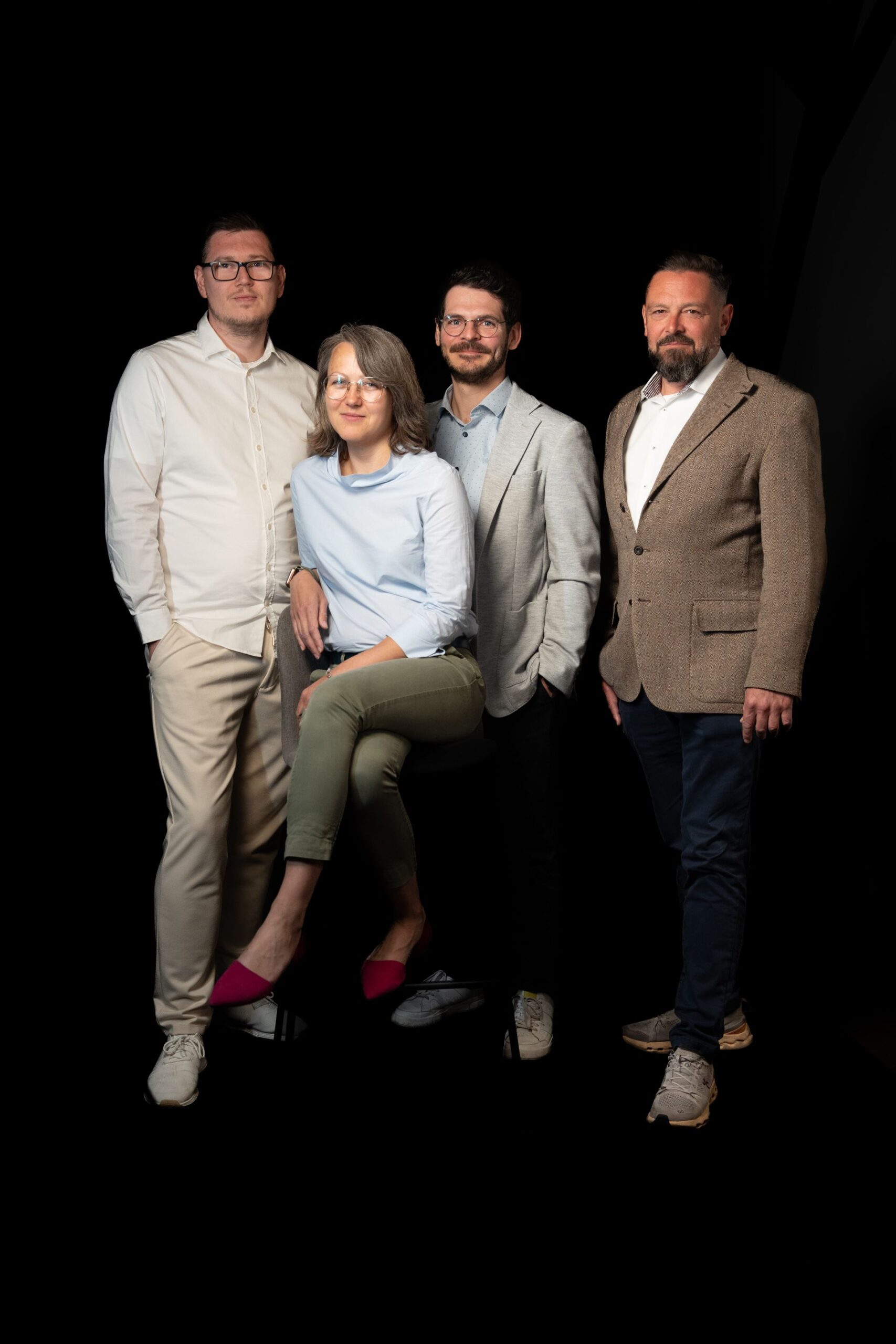
Developed based on technical research and practical work by Dr. Marieluise Lang and Dr. Lars Helmlinger.
exist – funded
This project is funded by the European Social Fund Plus (ESF Plus) and the Federal Ministry for Economic Affairs and Climate Action (BMWK) as part of the EXIST funding program.


closeness to SKZ Würzburg
Set within a context relevant to plastics engineering, materials testing, and applied research.
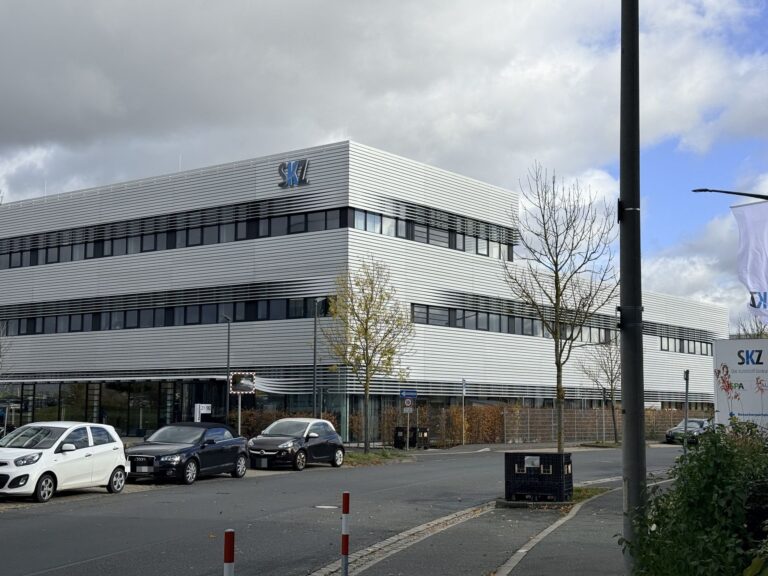
Würzburg industrial location
Developed in a strong industrial and research-oriented environment in Germany.
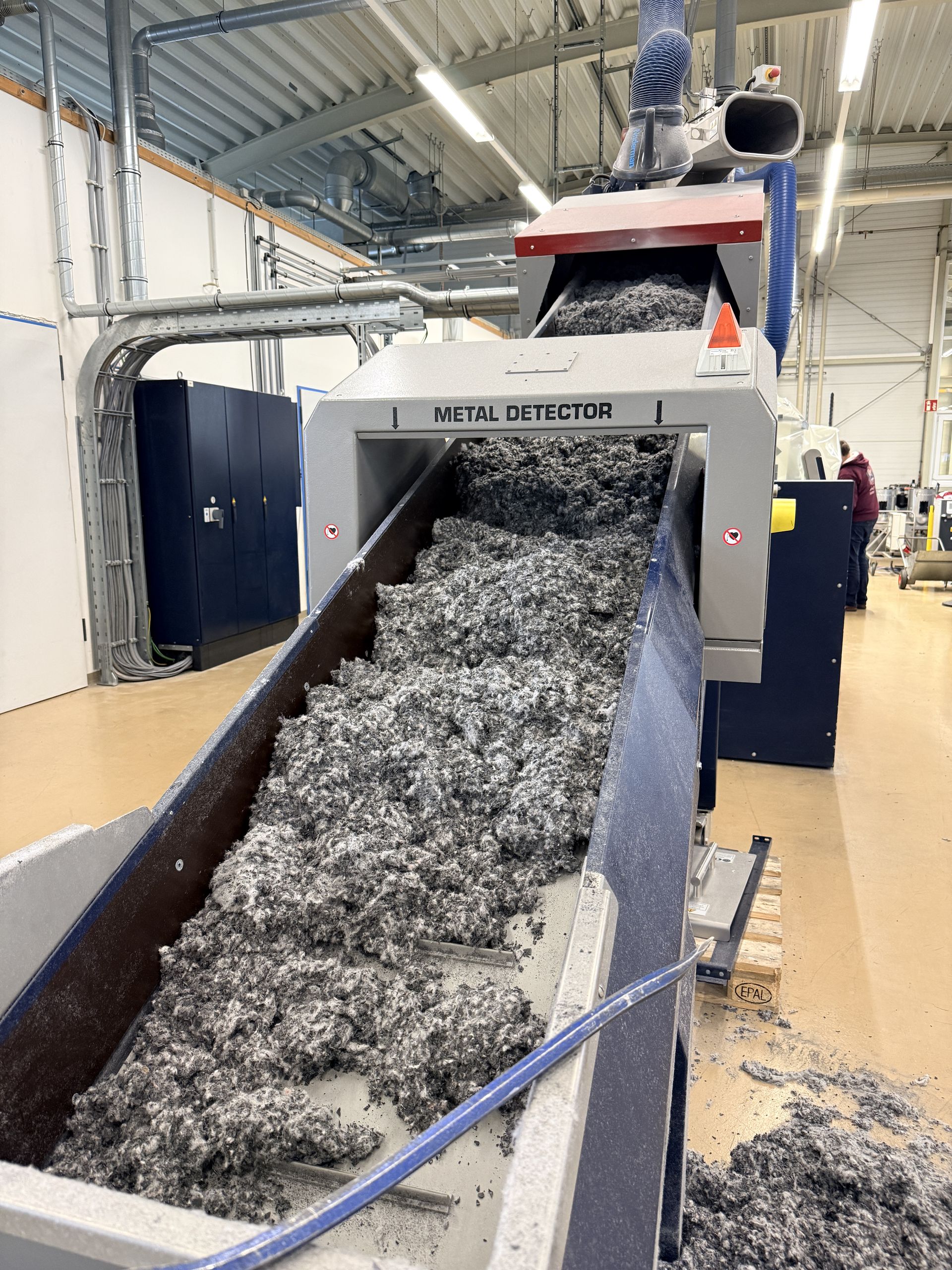
Complex Production Waste
The Limits of Traditional Standard Methods: Recyclable Materials Are Lost Where Materials Are Too Complexly Combined
For many industrial companies, the challenge lies not in the desire to recycle, but in the complex nature of their production waste.
From Waste Product
to Raw Material
Recover valuable resourcesfrom your complex production waste
Many types of production waste contain usable components, but these are technically difficult to extract. This is exactly where we come in.
The process begins with an understanding of the specific material stream: What components does it contain, how are they interconnected, and which fractions can be effectively recovered? Based on this, we develop a separation and processing strategy tailored to your needs.
1
Understanding of the material
Determine which materials are present and what barriers to separation exist.
2
Evaluation of
potential
Assess which components may be relevant for recovery.
3
development of
separation logic
Develop a suitable approach for breaking down complex composites.
4
creation of usability
Thinking ahead about material flows in terms of industrial connectivity.
Taking recycling further
Between research, recycling, and industrial applications: When standard recycling methods reach their limits, our processes help you recover your valuable resources. Established recyclers and waste management companies often encounter technical limitations when dealing with complex material composites. At the same time, these material streams still contain components that are valuable and relevant for industrial cycles.
Our focus is on material flows that, to date, cannot be recycled—or can only be recycled to a limited extent.
Standardrecycling
LaMa Recycling
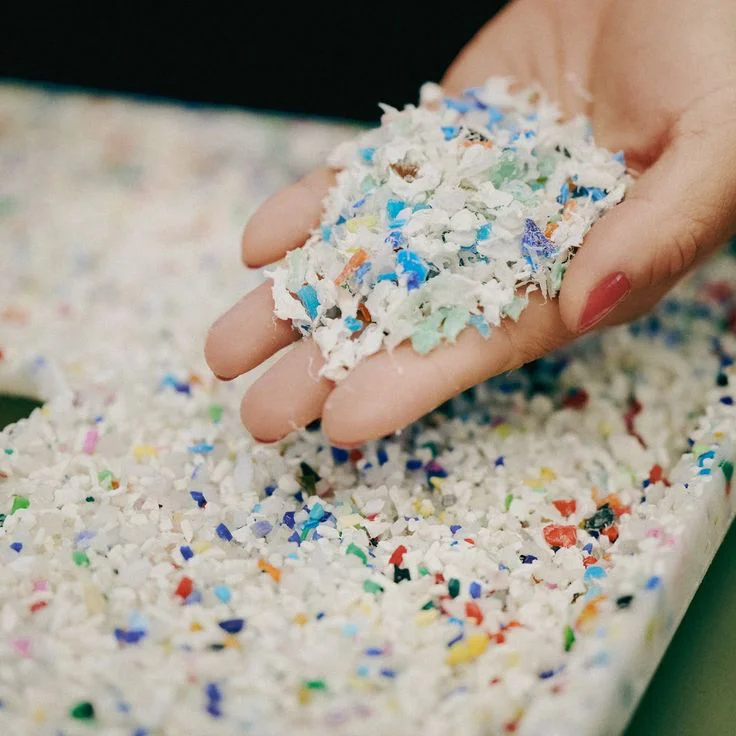
In real-world
A real-world example: Diaper production illustrates just how challenging waste involving modern composite materials can be. The hygiene industry generates production waste that combines various components, such as plastics, fibers, pulp, and superabsorbents. It is precisely these material streams that highlight why standard recycling is often insufficient. When combined with pulp, fibers, films, and other components, these material streams cannot be treated as single-material fractions. We rely on a technical analysis of the composite materials and the development of suitable methods to identify recovery potential.
The People Behind
A team of interdisciplinary specialists: in-depth expertise for a problem that rarely allows for simple answers. Behind LaMa are Dr. Lars Helmlinger and Dr. Marieluise Lang. Both bring scientific depth to a field that demands technical precision and an understanding of industry. The starting point lies in their work with composite materials containing superabsorbents—an example of material flows where standard methods quickly reach their limits. LaMa applies this perspective to other complex production wastes and material combinations.
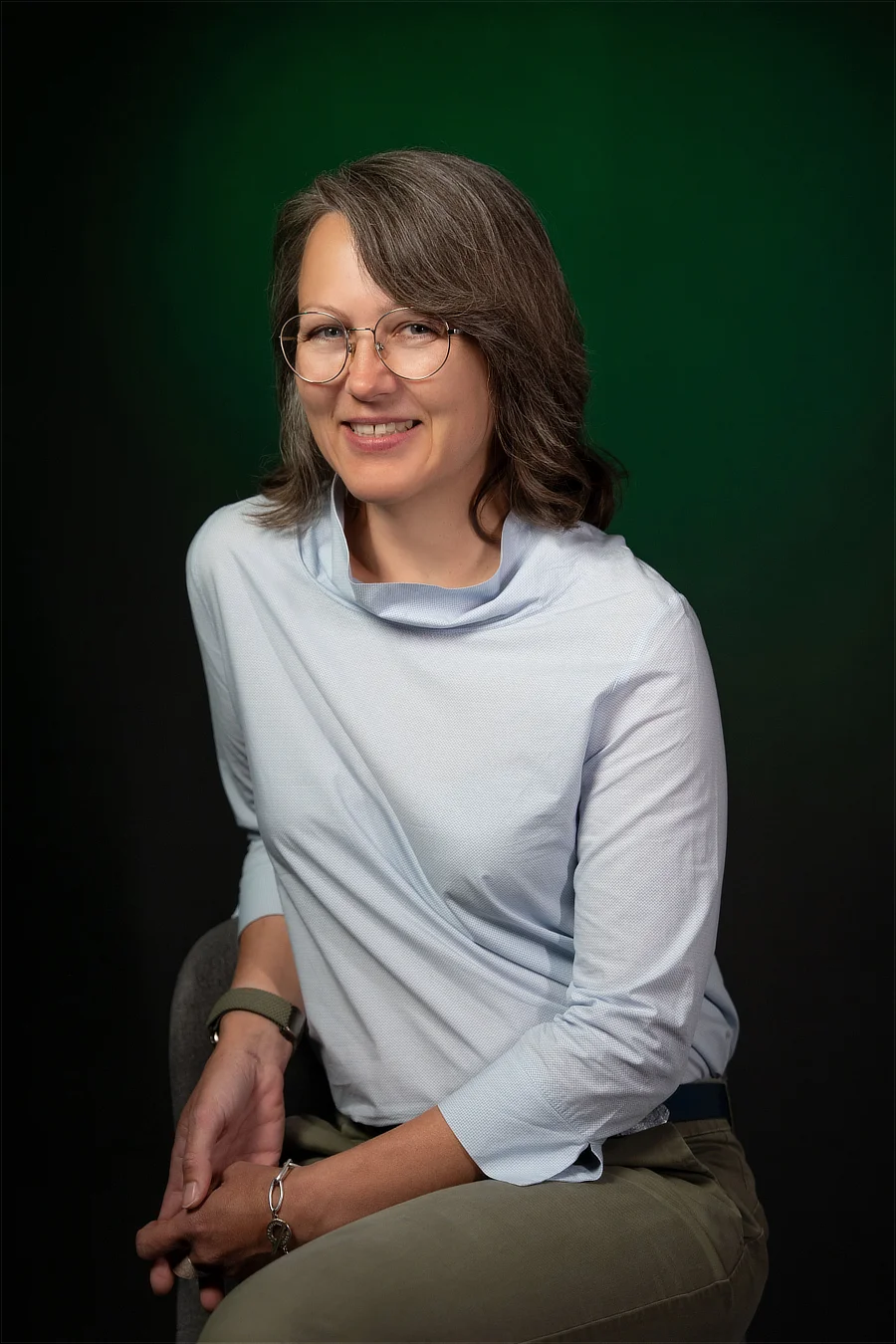
Dr. Marieluise Lang
Marieluise studied polymer and colloid chemistry in Bayreuth and earned her doctorate there—so plastics are not just a coincidence for her, but a genuine passion. After nearly ten years as a division manager at SKZ and three years as managing director at a small-to-medium-sized business—where she built a new plastics division from the ground up—she has been on the path to self-employment since 2025 with EXIST and now the newly founded LAMA Recycling GmbH. When she’s not thinking about recycling and compounds, you’ll find her somewhere between the climbing wall and the vegetable garden.
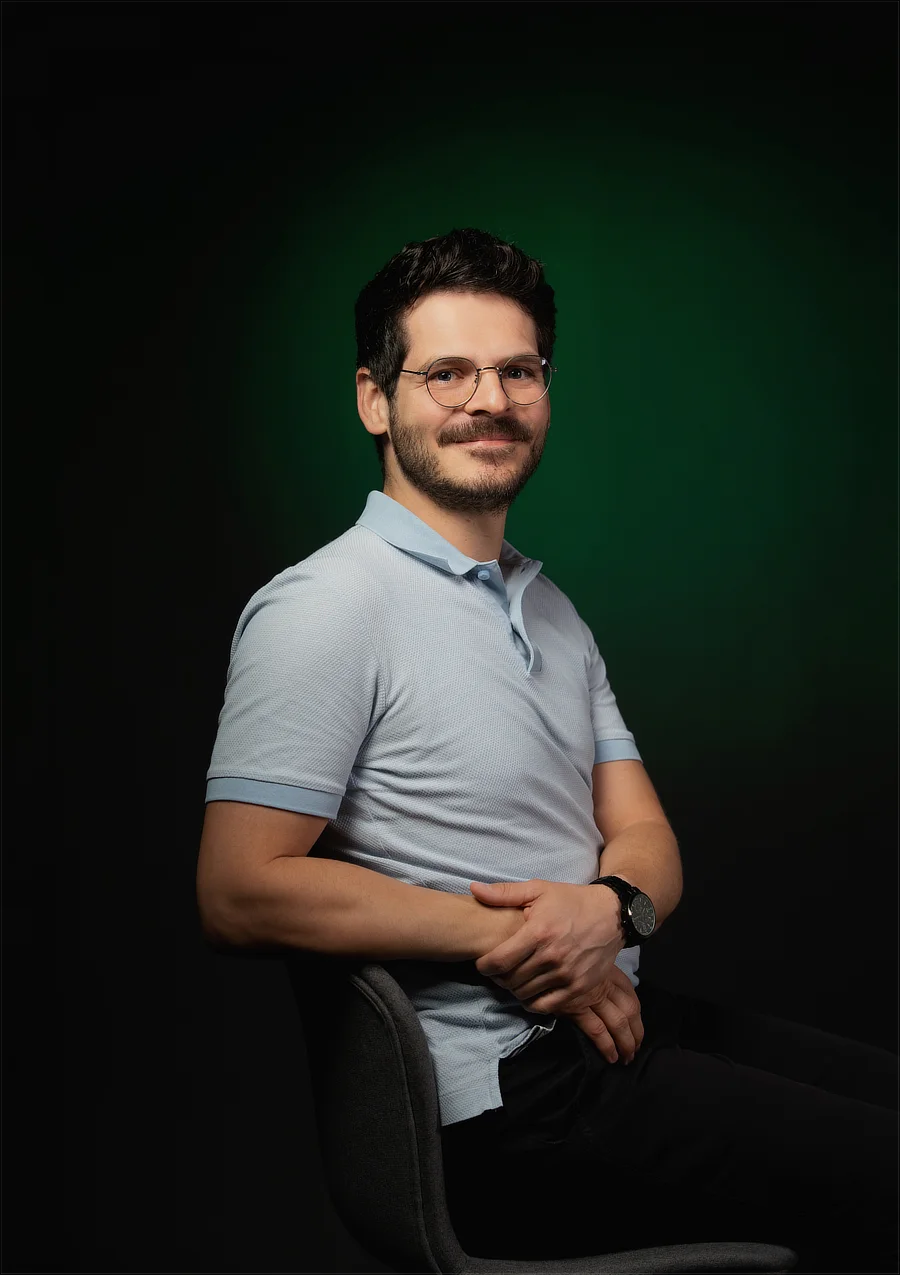
Dr. Lars Helmlinger
Lars studied polymer science in Bayreuth and subsequently worked in process engineering at the SKZ, where he also earned his Ph.D. in mechanical engineering. After several years in research and various leadership roles at a medium-sized plastics company, he now combines technical development with entrepreneurial implementation as the founder and managing director of LaMa Recycling GmbH.
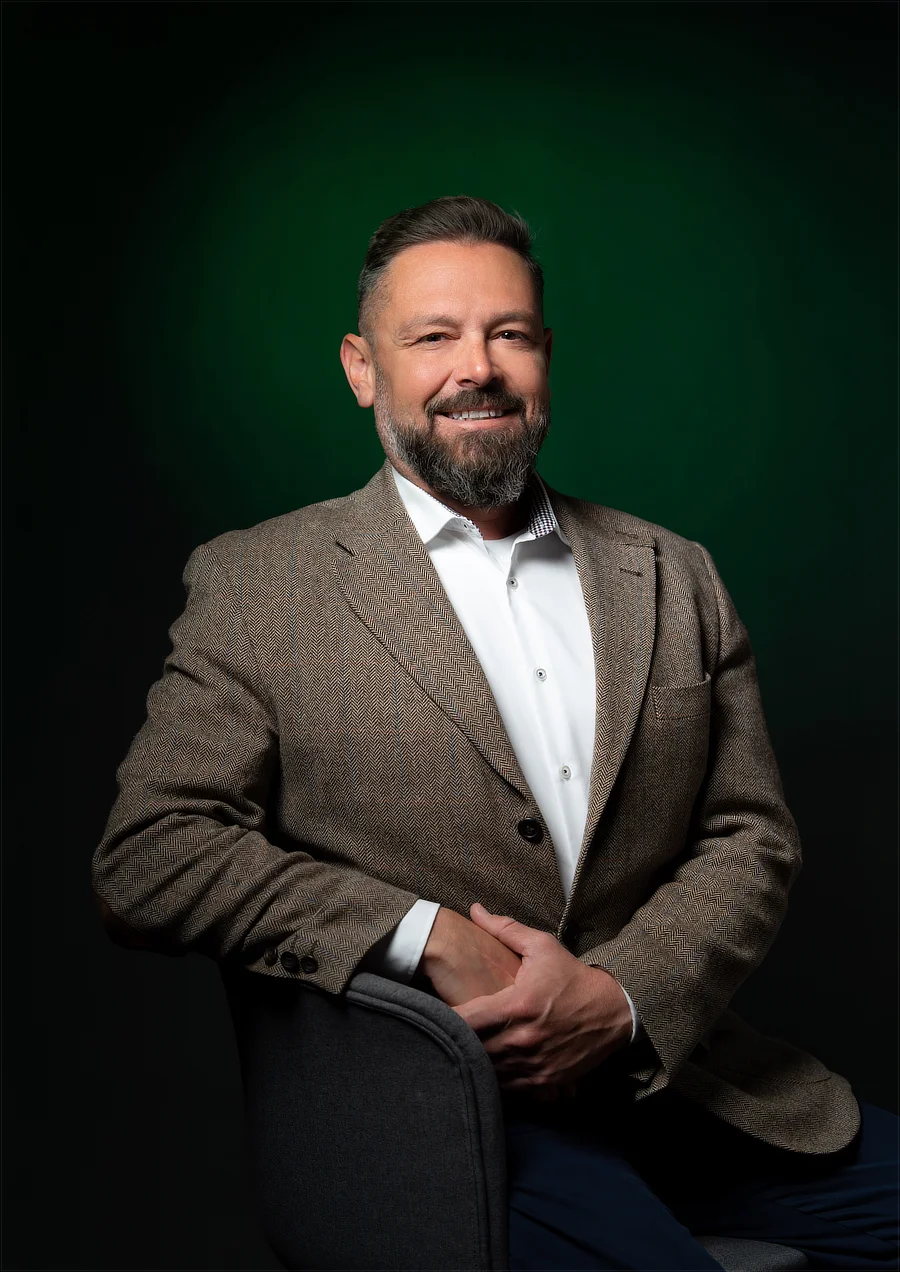
Thomas Wolz
Thomas began studying business administration at the University of Applied Sciences in Würzburg in 2000, but after five semesters, he decided to leave that path and instead enter the booming IT industry directly. In 2009, he made the decision to stop working for others and start working for himself—he founded his first company, which he successfully sold in 2016. After an extended trip through Europe, he relaunched his career as an IT consultant in late 2017. Since 2025, he has been contributing to the EXIST project as a career changer and is a co-founder and shareholder of LaMa Recycling GmbH.
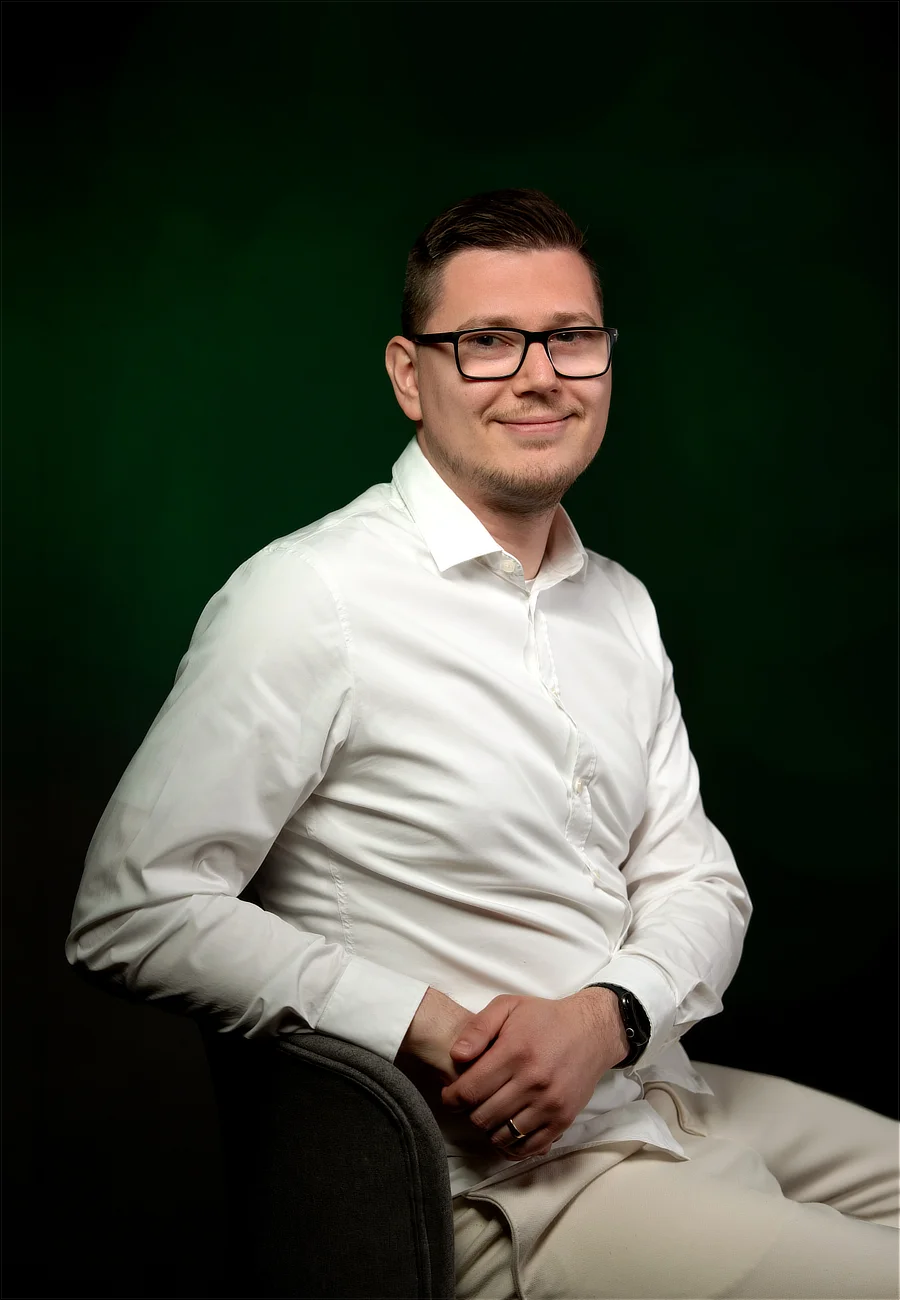
Stefan Zuljevic
Stefan trained as a process technician specializing in plastics and rubber technology and has been working as a technical staff member at SKZ since 2014. Machines, peripheral equipment, and plastics are part of his daily work—and mean much more to him than just a job. With his many years of hands-on experience, he has firsthand knowledge of the challenges of plastics processing and is now bringing this expertise to LAMA Recycling GmbH. When he has free time outside of work, Stefan loves spending time with his family, playing soccer, or relaxing with a gaming session.
Our Process
1
Initial Contact
Classification of the issue, the material flow, and the initial situation.
2
Understanding
of Materials
Examination of composition, structure, and relevant components.
3
Evaluation
of Potential
Technical assessment of whether the recovery of individual fractions appears to be feasible in principle.
4
Next
Steps
Jointly determine which exam or advanced course is most appropriate from a subject-matter perspective.
Q&A
Complex material flows can rarely be evaluated in a generalized way. The following questions help with an initial assessment of whether we might be relevant to your company as a specialized recycler.
Contact us now
Resource, not waste